The quiet suburban streets of Wisteria Lane hummed with more than just gossip and lawnmowers; they resonated with a carefully curated symphony of sounds that underscored every secret, scandal, and heartfelt moment. For fans, delving into the Desperate Housewives Series 6 Soundtrack & Key Music Moments isn't just about identifying a tracklist; it's about re-experiencing the emotional tapestry woven into one of television's most iconic dramas. Series 6, with its heightened stakes and intricate storylines, leaned heavily on its musical choices to amplify the laughter, tears, and shocking revelations that kept us glued to our screens.
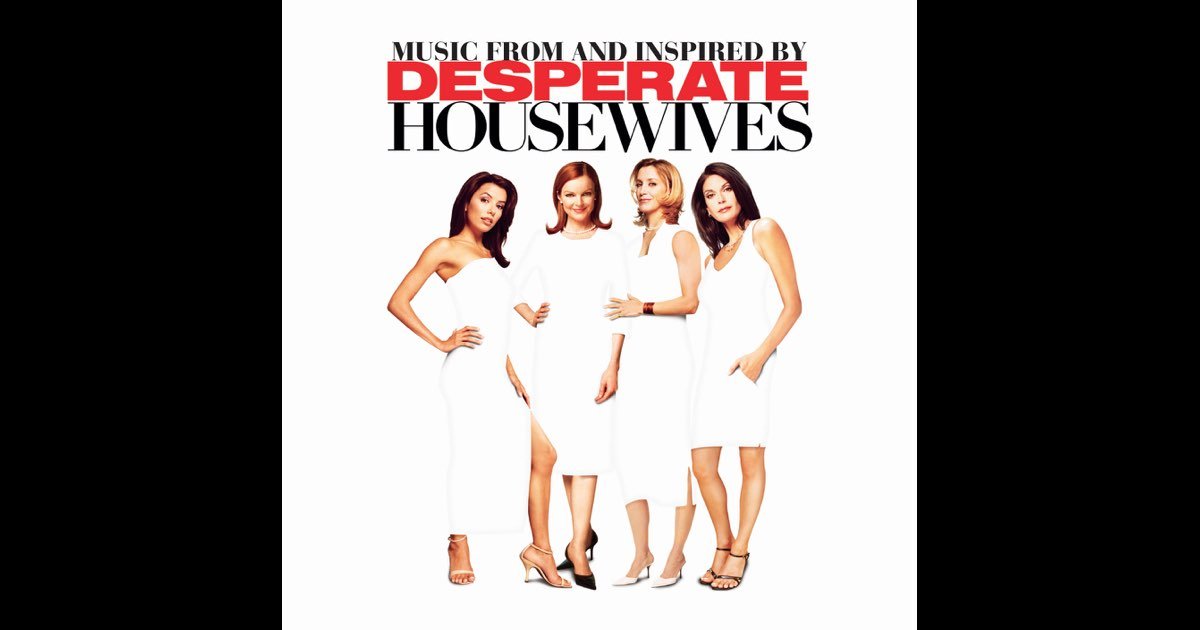
While an official, dedicated Series 6 soundtrack album with a specific tracklist for that season isn't as widely documented as the general "Music from and Inspired By the TV Show" compilation, the spirit and style of music that defined Desperate Housewives were ever-present. This guide dives into how the show’s overall musical philosophy informed Series 6, exploring the types of songs, scores, and spoken word segments that helped define its unique blend of dark comedy and melodrama.
At a Glance: Why Music Matters on Wisteria Lane
- Emotional Amplifier: Music wasn't just background noise; it deepened emotional stakes in every scene.
- Narrative Driver: Songs often foreshadowed events, reflected character inner turmoil, or provided ironic commentary.
- Eclectic Mix: The show famously blended pop, country, soul, and orchestral scores, often with a cheeky, retro vibe.
- Iconic Theme: Danny Elfman's memorable opening theme instantly set the show's playful yet mysterious tone.
- Character Voices: Unique spoken-word interludes from the housewives themselves offered direct insight into their personalities and predicaments.
- Lack of Specific Series 6 Album: While there isn't a designated Series 6 soundtrack album, the series' overall musical style and general soundtrack tracks heavily influenced the season.
The Unsung Hero: Music as a Narrative Backbone in Desperate Housewives
From the very first episode, Desperate Housewives established a distinct sonic identity. It wasn't just about what happened on screen; it was about how it felt. The music was a silent narrator, guiding us through the complexities of suburban life, where perfection often masked profound desperation. This approach wasn't new for television, but Desperate Housewives mastered it, using music to elevate mundane moments into high drama and to inject levity into the most somber scenes.
Think about it: a seemingly innocent barbecue could be underscored by a tune brimming with ominous undertones, hinting at the lurking secrets beneath the perfect facade. A heartfelt confession might be amplified by a soaring orchestral piece, making the moment feel grander, more significant. This intelligent use of music became a hallmark of the series, ensuring that every emotional beat landed with maximum impact.
More Than Just Background Noise: Setting the Scene
The show's musical supervisors were artists in their own right, handpicking tracks that didn't just fit a scene but defined it. They understood that music could establish a mood faster than dialogue, create an instant sense of time and place, and even add a layer of irony or suspense. This was particularly true in Series 6, a season packed with high-stakes mysteries and deeply personal dramas. As you delve into the major plot developments in Desperate Housewives Season 6, you'll notice how seamlessly music transitions from lighthearted background chatter to intense, character-driven scores.
Thematic Resonance: Reflecting the Desperate Housewife Psyche
The series often used music to underscore the overarching themes of domesticity, betrayal, friendship, and the pursuit of happiness. Songs frequently mirrored the internal struggles of the women of Wisteria Lane, providing an auditory glimpse into their "desperate" lives. Whether it was a wistful ballad during a moment of introspection or an upbeat, defiant track as a housewife reclaimed her power, the music always resonated deeply with the characters' journeys. This thematic resonance was crucial in connecting viewers to the evolution of characters throughout Series 6, allowing us to feel their triumphs and heartbreaks more acutely.
Series 6: A Season of Twists, Turns, and Tunes
Series 6 was a whirlwind. It kicked off with Mike and Susan's wedding, immediately plunging into a new mystery involving Angie Bolen and her family. We saw Lynette grapple with an unexpected pregnancy and the trauma of a plane crash, Bree navigate a complicated relationship with Orson and later Sam Allen, and Gabrielle deal with her niece Ana's arrival and the challenges of motherhood. Katherine Mayfair’s descent into madness after Mike chose Susan was a central, heartbreaking arc.
In a season so rich with diverse emotional landscapes, music was indispensable. It provided the necessary bridge between comedic relief and dramatic tension, often within the same episode, or even the same scene.
Echoes of Turmoil: Music During Crisis Points
Consider the emotional weight of the plane crash in "Boom Crunch." While specific licensed tracks from that episode might not be detailed in a general soundtrack, the type of scoring used would have been instrumental. Think tense, percussive elements during the initial impact, followed by haunting, mournful strings as the aftermath unfolded. These powerful aural cues are critical in conveying the gravity of such events and are a testament to the show's expert sound design. Music here transcended mere accompaniment; it became an active participant in the storytelling, guiding our emotional response to the chaos and tragedy. The critical reception of Desperate Housewives Season 6 often highlighted the season's ability to balance its signature humor with genuinely dark and dramatic turns, a balance heavily supported by its sonic landscape.
Love, Lies, and Laughter: Soundtrack to the Housewives' Lives
Beyond the high drama, Series 6, like all seasons, had its share of lighthearted moments, romantic interludes, and poignant reflections. This is where the show's broader musical taste truly shined. Imagine Gabrielle's audacious schemes set to a sassy, upbeat pop track, or Bree's meticulously organized life underscored by a classic, slightly old-fashioned melody. The general Desperate Housewives soundtrack gives us a strong indication of this range:
- Upbeat & Empowering: Tracks like "Boom Boom" by Macy Gray or "Young Hearts Run Free" by Gloria Estefan would perfectly capture the housewives' moments of defiance or joy.
- Wistful & Reflective: Ballads such as Anna Nalick's "Band of Gold" or LeAnn Rimes' "We're Running Out of Time" could emphasize moments of longing, regret, or fleeting happiness.
- Cheeky & Ironic: Songs like Liz Phair's "Mother's Little Helper" or Martina McBride's "Harper Valley PTA" (both featured on the general soundtrack) exemplify the show's dark humor and social commentary, often used to great effect in lighter, yet subtly subversive, scenes.
These examples illustrate the moods and styles of music that would have seamlessly integrated into Series 6's diverse narrative, even if those exact songs weren't featured in that specific season.
The Spoken Word: Character Intros and Outros
A unique feature of the Desperate Housewives soundtrack, as evidenced by the general compilation, was the inclusion of spoken-word snippets from the main characters. These brief, almost poetic monologues, introduced by Mary Alice Young's narration, offered intimate glimpses into each woman's personality. While these specific snippets might not have been new to Series 6, their style and purpose were consistent throughout the show's run.
Imagine Mary Alice (Spoken Word Intro/Outro) framing an episode, or hearing quick, defining lines from:
- Edie: Short, sharp, and usually a bit cynical.
- Lynette: Practical, often a little overwhelmed.
- Bree: Precise, with an underlying hint of control.
- Gabrielle: Confident, self-assured, and always fabulous.
- Susan: Sweet, perhaps a touch naive or clumsy.
These moments served as narrative punctuation, often setting the emotional tone for an episode or providing a concise summary of a character's state of mind. They are key elements in the overarching musical and auditory experience of the show, extending far beyond traditional song choices.
Dissecting the Desperate Housewives Sound: An Overview (Drawing from the General Soundtrack)
Since a distinct Series 6 soundtrack album is not documented in our sources, we rely on the broader Desperate Housewives soundtrack, "Music from and Inspired By the TV Show," to understand the musical palette available to the series' creators. This compilation, featuring 21 tracks, offers a fantastic insight into the show's eclectic taste and its ability to blend genres seamlessly.
From Country Queens to Soulful Sirens: The Eclectic Mix
The soundtrack's artist roster reads like a who's who of diverse talent, showing the producers' willingness to experiment and find the perfect sonic match for Wisteria Lane's myriad moods.
- Country Powerhouses: Shania Twain ("Shoes"), Martina McBride ("Harper Valley PTA"), and Sara Evans ("One's On the Way") brought a distinctly American, often wry, sensibility to the mix, perfect for reflecting the suburban setting with a touch of Southern charm or feisty independence.
- Soulful & Pop Voices: Joss Stone ("Treat Me Right (I'm Yours for Life)"), Macy Gray ("Boom Boom"), and Gloria Estefan ("Young Hearts Run Free") injected vibrancy, sass, and a timeless quality, often accompanying scenes of empowerment or romantic longing.
- Modern Folk & Rock: Anna Nalick ("Band of Gold") and Liz Phair ("Mother's Little Helper") offered contemporary introspective or rebellious edges, while Indigo Girls ("Mrs. Robinson") provided a classic, relatable folk-rock vibe.
- Broadway & Beyond: Idina Menzel ("Damsel In Distress") and k.d. lang ("Dream of the Everyday Housewife") lent their powerful, emotive vocals, adding depth and a touch of theatricality.
This diverse selection meant that the show could pivot from a heartfelt dramatic scene to a darkly comedic one, often supported by a sudden, impactful musical change.
Iconic Anthems and Poignant Ballads: Songs That Stuck
Some songs, though not necessarily exclusive to Series 6, perfectly encapsulate the spirit of Desperate Housewives:
- "God Bless the American Housewife" by SHeDAISY: This track, almost a theme song in itself, captures the facade and reality of the suburban ideal. Its lyrics speak directly to the pressures and hidden lives of the show's protagonists.
- "Mother's Little Helper" by Liz Phair (originally The Rolling Stones): A classic with a rebellious, slightly cynical edge, perfectly echoing the housewives' attempts to cope with their lives.
- "Mrs. Robinson" by Indigo Girls: A nod to the classic film and its themes of an older woman's affair, often used with a knowing wink or a moment of dramatic irony within the show.
- "Young Hearts Run Free" by Gloria Estefan: An anthem of independence and the pursuit of love, often used for celebratory or defiant moments.
These tracks, among others, formed a significant part of the series' sonic identity, undoubtedly influencing the musical choices made for Series 6.
Danny Elfman's Enduring Theme: The Sonic Signature
No discussion of Desperate Housewives music is complete without mentioning the iconic theme song by Danny Elfman. At just 40 seconds (as per the general soundtrack), it’s a masterclass in setting the show’s tone. It's whimsical, a little quirky, and possesses an underlying hint of mischief and mystery, perfectly encapsulating the blend of dark comedy and suspense that defined the series. This instantly recognizable piece was a constant throughout all seasons, including Series 6, acting as an auditory welcome to Wisteria Lane and its dramatic inhabitants.
Beyond the Album: How Desperate Housewives Crafted Its Sonic Landscape
The true genius of Desperate Housewives music extended beyond simply picking great songs. It was in how those songs, alongside original scores and sound design, were deployed to enhance the narrative.
Scoring Emotional Arcs: From Mystery to Melodrama
The show's composers and music supervisors masterfully scored the emotional arc of each episode and season. The mystery surrounding the Bolen family in Series 6, for instance, would have been underscored by a tension-building score, subtly hinting at danger without giving too much away. Conversely, the more lighthearted, comedic storylines often received playful, almost sitcom-esque background music, creating sharp contrasts that made the dramatic moments even more impactful. When considering how the dramatic Season 6 finale unfolded, remember the power of the score in making those final moments unforgettable.
Diegetic vs. Non-Diegetic Music: A Subtle Art
Desperate Housewives skillfully employed both diegetic and non-diegetic music:
- Diegetic music is heard by the characters within the show's world (e.g., a radio playing, a band at a party, a car stereo). This adds realism and can sometimes be a plot point in itself.
- Non-diegetic music is background music or score added for the audience's emotional benefit, not heard by the characters. This is where the bulk of the emotional manipulation happens, steering our feelings about a scene.
The show's ability to seamlessly transition between these two, or even use them simultaneously, contributed to its immersive quality. Imagine a character silently reflecting (non-diegetic, poignant ballad) while a neighbor's loud party music drifts in from next door (diegetic, upbeat pop). This layering enriches the viewing experience significantly.
The Power of the Needle Drop: When a Song Says It All
A "needle drop" refers to the specific moment a licensed song starts playing in a scene. Desperate Housewives excelled at this, often choosing tracks with lyrics that directly commented on the unfolding drama, or creating an ironic juxtaposition. For instance, a character achieving a seemingly triumphant moment might be accompanied by a song about heartbreak, revealing the underlying tragedy or delusion. This sophisticated use of music often provided subtext that words alone could not convey, adding another layer of depth for the attentive viewer. It's a critical tool used by the showrunners and the talented the talented cast of Desperate Housewives Series 6 to deliver impactful performances.
Finding the Music: Your Guide to Desperate Housewives Soundtracks
For fans wanting to revisit the sonic landscape of Wisteria Lane, navigating the available music can be a journey.
Navigating Official Releases vs. Fan Compilations
As established, a specific "Desperate Housewives Series 6 Soundtrack" album isn't widely available. The primary official release is the "Music from and Inspired By the TV Show" compilation, which, despite not being season-specific, provides an excellent cross-section of the show's musical style and features many iconic tracks and artists from the series' run.
Beyond official releases, dedicated fans often create extensive playlists of songs featured throughout the show's eight seasons. These compilations can be incredibly comprehensive, meticulously logging every track heard in every episode. While unofficial, they serve as invaluable resources for those seeking to relive specific musical moments.
Streaming & Discovery: Reliving Wisteria Lane
In the age of streaming, finding the music from Desperate Housewives is easier than ever. Most of the artists featured on the official soundtrack, and indeed many others whose music graced the show, are readily available on platforms like Spotify, Apple Music, and YouTube.
To enhance your experience:
- Start with the official compilation: It’s the perfect primer for the show’s sound.
- Explore episode guides: Many fan wikis and TV show databases list specific songs used in individual episodes (though not always complete or officially verified).
- Create your own playlists: As you rewatch Series 6 (or any season), pay close attention to the music. Note down tracks that stand out and build your personalized Desperate Housewives playlist. This is a fantastic way to immerse yourself in the ambiance of the show.
Untangling Common Questions About Desperate Housewives Music
Let's address some common curiosities about the music of Wisteria Lane.
Q: Is there a specific Desperate Housewives Series 6 soundtrack album?
A: Based on available information and common knowledge among fans, there isn't a widely released official album specifically titled "Desperate Housewives Series 6 Soundtrack." The main official soundtrack release, "Music from and Inspired By the TV Show," is a general compilation spanning the show's overall musical style. Music supervisors for Series 6 would have drawn from a broad library of licensed music and original scores consistent with the show's established sound.
Q: Who composed the Desperate Housewives theme song?
A: The instantly recognizable main title theme for Desperate Housewives was composed by the acclaimed Danny Elfman. His signature quirky, slightly gothic, yet whimsical style perfectly captured the essence of the series.
Q: How does music contribute to the show's unique tone?
A: Music is fundamental to Desperate Housewives' unique tone. It acts as an emotional compass, guiding the audience through the show's blend of dark comedy, mystery, and melodrama. It provides ironic commentary, heightens suspense, underscores character emotions, and defines key moments, allowing the series to seamlessly shift between humor and tragedy. The eclectic mix of genres also helps create a timeless, yet distinctly suburban, feel.
Q: Where can I find a comprehensive list of all songs used in Series 6?
A: While no single official source may list every single song from every episode of Series 6, fan-curated websites and databases often attempt to compile these lists. These resources can be a great starting point for discovering specific tracks you might remember from the season.
The Enduring Echoes of Wisteria Lane
The music of Desperate Housewives, particularly as exemplified throughout a pivotal season like Series 6, is more than just a collection of songs; it’s a character in itself. It’s the invisible hand guiding our emotions, the whispered secret, the defiant roar. As you revisit Wisteria Lane, whether it's through a complete rewatch or by curating your own soundtrack, take a moment to truly listen. You'll find that the notes and melodies deepen your appreciation for the tales of these desperate, yet endlessly fascinating, women.
For an even deeper dive into the season's intricate plots and character developments, be sure to check out our Full Desperate Housewives Series 6 guide. The music, after all, is just one powerful layer in the rich, complex narrative of America's most scandalous cul-de-sac.