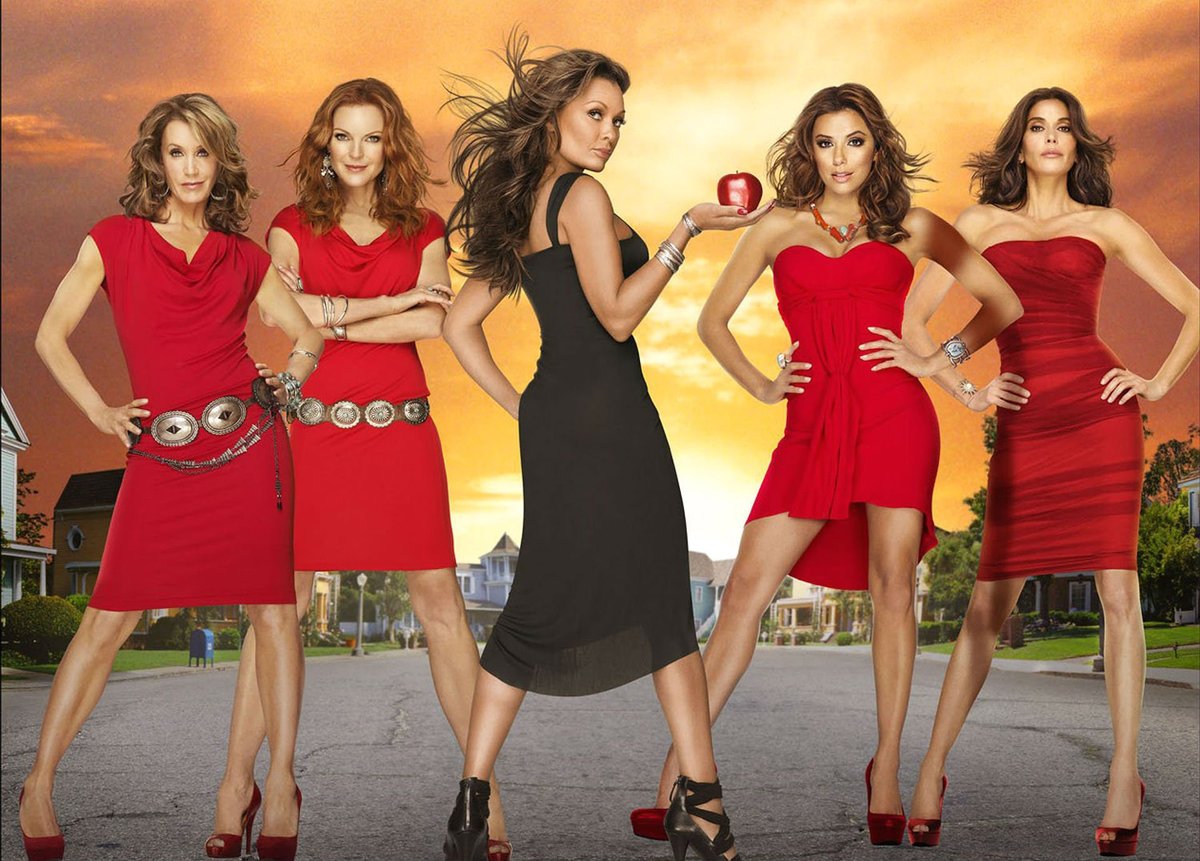
Step onto Wisteria Lane, not as a resident, but as an insider. For eight years, Desperate Housewives pulled back the curtain on the supposedly pristine lives of suburban women, revealing a world brimming with secrets, scandal, and dark humor. Series 6, often remembered for its intricate web of mysteries and character developments, was no exception, building on the show's established legacy with twists that kept millions glued to their screens.
Peeling back the layers of Desperate Housewives Series 6 Behind the Scenes & Trivia isn't just about uncovering production anecdotes; it's about understanding the meticulous craft, the creative risks, and the human elements that forged one of television's most iconic dramedies. From the visionary mind of its creator to the carefully constructed facades of its famous street, every detail played a part in making the series a cultural phenomenon.
At a Glance: Desperate Housewives Series 6 Backstage Insights
- The Core Vision Endures: Series 6 continued to meticulously weave Marc Cherry's initial vision of blending dark humor with suburban desperation.
- Wisteria Lane's Lifespan: The iconic Universal Studios backlot set, Colonial Street, remained a central character, silently witnessing more drama unfold.
- Post-Edie Dynamics: The season navigated the aftermath of a major character departure, prompting shifts in narrative focus and character relationships.
- Balancing Act: Writers constantly juggled overarching mysteries with the deeply personal, often chaotic, lives of the housewives.
- Cast Chemistry: The established ensemble continued to define the show's success, with actors deeply embodying their now-iconic roles.
- Filming Challenges: Managing large-scale events and intricate storylines within the demands of a fast-paced television production.
The Enduring Allure of Wisteria Lane: A Legacy Forged
Desperate Housewives wasn't just another show; it was a pop culture touchstone that redefined an entire genre. Airing from 2004 to 2012, its eight seasons and 180 hour-long episodes captivated audiences worldwide, earning a reputation for its groundbreaking all-female lead cast and a trophy cabinet boasting 7 Primetime Emmys, 3 Golden Globes, and 4 SAG Awards. The show's very first pilot episode drew an impressive 21.3 million viewers, a testament to its immediate appeal, with the Season 1 finale setting a high bar with 30 million viewers, proving its enduring grip on the public imagination.
By the time Series 6 rolled around, Desperate Housewives had long solidified its place in television history. Viewers weren't just watching a show; they were revisiting old friends, albeit friends with particularly messy lives. This deeply ingrained connection meant that every twist, every secret, and every moment of desperation in Series 6 carried the weight of years of character development and audience investment. The show's success wasn't merely about ratings; it was about creating a universe that felt both fantastical and intimately familiar, a place where the grass was always greener, but only because it hid so many secrets beneath.
The Architect's Vision: Marc Cherry & The DNA of Desperation
To truly understand any season of Desperate Housewives, including Series 6, you must first understand the mind of its creator, Marc Cherry. His journey to Wisteria Lane was anything but straightforward. Initially, Cherry envisioned the series as a lighter, half-hour comedy, a stark contrast to the darker, hour-long drama it ultimately became. This evolution speaks volumes about his willingness to delve into more complex, often uncomfortable, themes.
Alternative titles like "The Secret Lives of Housewives," "The Secrets of Wisteria Lane," and simply "Wisteria Lane" were considered, each hinting at the show's core premise: the hidden turmoil beneath a veneer of suburban perfection. Cherry's profound inspiration came from deeply personal experiences. His mother, a suburban homemaker in the 1960s and 70s, struggled with the domestic ideal, and it was a conversation with her, sparked by the harrowing 2001 Andrea Yates trial, that truly ignited the show's concept. This discussion about moments of desperation, even among seemingly normal individuals, became the bedrock of the series. The character of Bree Van De Kamp, a perfectionist with deep-seated vulnerabilities, was Cherry's direct embodiment of these complexities, a constant presence that continued to anchor much of the drama in Series 6. His vision ensured that even with new mysteries, the underlying themes of loneliness, identity, and the pursuit of happiness persisted.
Life After Edie: Setting the Stage for Series 6
Series 6 of Desperate Housewives stepped into a landscape profoundly shaped by the dramatic events of the previous season. The untimely and shocking death of Edie Britt (Nicollette Sheridan) at the end of Series 5 left a void, not just among the characters on Wisteria Lane, but within the show's dynamic itself. Edie, the resident "man-eater" and often antagonistic neighbor, had been a crucial catalyst for much of the series' drama and humor. Her absence meant the writers had to pivot, exploring how the remaining housewives processed her loss and how a new major mystery would fill the narrative space.
The departure of a central character is always a significant behind-the-scenes challenge. It requires careful planning, new character introductions, and a rebalancing of established relationships. For Series 6, this meant elevating the roles of other characters and introducing the mystery of the Bolen family (Angie, Nick, and Danny), whose arrival brought a fresh layer of intrigue and danger to the seemingly tranquil street. This shift demonstrated the creative team's agility in maintaining the show's signature blend of suburban life and dark secrets, ensuring that even with significant changes, the compelling narrative continued to evolve. To fully grasp the intricate plotting of this season, you might want to Explore Desperate Housewives Series 6 in more detail.
Behind the Camera: The Wisteria Lane We Know (and Don't)
The iconic backdrop for Desperate Housewives, Wisteria Lane, is more than just a set; it's a character in its own right. Located on the Universal Studios backlot in Los Angeles, this meticulously crafted street is actually Colonial Street, a standing set with a rich Hollywood history dating back to 1946. Long before the housewives of Wisteria Lane graced its sidewalks, Colonial Street played host to various productions, including classic shows like Leave it to Beaver and The Munsters. The Applewhite house, for example, was originally built for the 1946 film "So Goes My Love" and later became the Munsters' eerie abode.
During Series 6, this versatile set continued to be the canvas for every dramatic confrontation, whispered secret, and unexpected twist. The Meyer house, where Susan and Mike lived, eventually found a second life, reused in Netflix's "Never Have I Ever," a testament to the enduring practicality and recognition of the Universal backlot. Even outside of TV, the street has popped up in music videos, notably Kelly Rowland and Nelly's "Dilemma," cementing its status as a piece of pop culture real estate. For the cast and crew filming Series 6, Wisteria Lane was a second home, a place where the lines between the fabricated world and reality often blurred, demanding precise coordination to maintain its pristine facade while staging chaotic events.
Crafting the Residents: Casting Choices That Defined an Era
The magic of Desperate Housewives lay significantly in its perfectly chosen ensemble cast. The initial casting process, which laid the foundation for every subsequent season, including Series 6, involved some interesting twists. Eva Longoria was the very first actress signed, securing the role of the glamorous and often mischievous Gabrielle Solis. Her immediate connection to the character set a high bar for the rest of the ensemble.
Felicity Huffman, who brought unparalleled depth to the role of Lynette Scavo, initially had reservations about auditioning but ultimately embraced the part, earning critical acclaim. Marcia Cross, whose portrayal of the prim and proper Bree Van De Kamp became legendary, originally tried out for the role of Mary Alice Young, the show's deceased narrator. Similarly, Nicollette Sheridan, who famously played Edie Britt, first auditioned for Bree. These initial shifts highlight the fluidity of the casting process and the serendipitous nature of finding the right actor for the right role. Marcia Cross's Bree, directly inspired by Marc Cherry's strong, perfectionist mother with her impeccable cooking skills, was a character whose development continued to be a central focus throughout Series 6, showcasing Cross's ability to evolve with her character. Even during Season 3, Cross's real-life pregnancy necessitated creative camera angles and wardrobe choices, demonstrating the behind-the-scenes ingenuity required to weave real-life events into the show's fabric without disrupting its ongoing narrative.
Narrative Tightropes: Maintaining Mystery and Stability
Desperate Housewives was renowned for its relentless drama, with a staggering count of 52 character deaths, accidents, or killings throughout its run, making every episode genuinely unpredictable for viewers. This commitment to high stakes meant that even in Series 6, audiences were constantly on edge, never knowing which character might face peril next or which shocking revelation would disrupt the suburban calm. The aftermath of Edie Britt's death, which resonated into Series 6, served as a stark reminder of the show's unpredictable nature.
Yet, amidst this relentless chaos, the producers made a deliberate choice to maintain one stable family storyline: Tom and Lynette Scavo. This decision was a strategic one. While Tom was initially scripted to cheat on Lynette in Season 1, this plotline was consciously altered. The aim was to create a sense of stability, to portray a functional, albeit often tumultuous, suburban marriage amidst the escalating drama and endless mysteries of Wisteria Lane. This constant push and pull between stability and unpredictability defined the narrative structure of Desperate Housewives, allowing Series 6 to introduce complex new mysteries, like the history of the Bolen family, without completely alienating viewers with relentless despair. It was a testament to the writers' ability to give audiences a steady anchor in a sea of changing alliances and shocking events.
The Unsung Heroes: Production Details & Character Threads
Beyond the grand narratives and dramatic twists, the subtle details of production often play an immense role in shaping a show's identity. For Desperate Housewives, costumes were not just clothes; they were integral to character portrayal, subtly communicating status, personality, and even hidden intentions. Consider Gabrielle Solis's iconic lacy pink gown, worn while she provocatively mowed the lawn in the pilot episode. This single outfit captured Gabrielle's character perfectly – glamorous, slightly absurd, and unapologetically high-maintenance. The impact was so strong that a fan, captivated by the gown, contacted the show, leading them to send the actual outfit for her prom, a heartwarming example of the show's connection with its audience.
In Series 6, this meticulous attention to detail continued. Each character's wardrobe, makeup, and even set dressing for their homes reinforced their established personas while subtly hinting at their evolving storylines. The production team also faced the logistical challenge of managing a large ensemble cast, intricate set pieces, and a fast-paced shooting schedule. Coordinating the multiple storylines—the Bolen family mystery, the complexities of Lynette's unexpected pregnancy, Bree's evolving relationships, and Susan's financial struggles—demanded seamless collaboration between writers, directors, and the entire crew. Every prop placement, camera angle, and lighting choice was a deliberate decision aimed at enhancing the storytelling and maintaining the high production values that audiences had come to expect.
Beyond the Screens: Fan Engagement & Cultural Impact
The reach of Desperate Housewives extended far beyond the confines of Wisteria Lane. Its cultural impact was undeniable, turning its stars into household names and sparking countless watercooler conversations. The show's influence was so pervasive that even media giants took notice. In 2005, during the show's second season, Oprah Winfrey herself visited the set, filming a 15-minute segment for her talk show. Reportedly, the experience reignited her interest in acting, a testament to the captivating atmosphere the show created.
For Series 6, this fan engagement continued unabated. Online forums buzzed with theories about the Bolen family, social media (though less prevalent than today) amplified discussions, and viewers eagerly anticipated each new development. The show didn't just tell stories; it invited viewers to participate, to guess, to speculate, and to form strong opinions about the lives of these four women and their neighbors. This deep connection ensured that Desperate Housewives wasn't just a fleeting entertainment experience but a significant cultural event that resonated deeply with its audience, reinforcing its status as a must-watch series year after year.
Answering Your Burning Questions About Series 6
Navigating the complex world of Desperate Housewives always leaves fans with questions. Here are some common curiosities surrounding Series 6, clarified:
- Was Series 6 a "reset" after Edie's death? While Edie Britt's departure necessitated narrative shifts and the introduction of a new mystery family (the Bolens), Series 6 wasn't a complete reset. Instead, it built upon the existing character relationships and ongoing subplots, exploring how the housewives coped with a new dynamic while facing their individual challenges. It was more an evolution than a reboot.
- What was the main mystery of Series 6? The primary overarching mystery of Series 6 revolved around the Bolen family – Angie, Nick, and Danny – who moved to Wisteria Lane with a hidden past and dangerous secrets, forcing the housewives into a high-stakes entanglement.
- Did any real-life events impact Series 6 filming? While there isn't widely publicized specific actor-related real-life events that dramatically altered Series 6 storylines (like Marcia Cross's pregnancy in Season 3), the constant demands of a long-running series mean the production team always needed to be adaptable. They consistently managed actor schedules, location availability, and script changes to maintain continuity and quality.
- How did the show maintain its quality over so many seasons? The show's consistent quality, evident in Series 6, stemmed from a strong creative vision from Marc Cherry, a talented and dedicated writing staff, and a remarkably cohesive ensemble cast. The ability to introduce compelling new mysteries while developing existing character arcs was crucial to keeping the show fresh and engaging.
- Were there any plans for new major characters in Series 6 that didn't happen? While specific details about unproduced character introductions for Series 6 are not extensively documented, it's common for writers' rooms to explore various character ideas that don't make it to air. The Bolen family ultimately filled the primary new character slot for the season, bringing their unique blend of suspense and intrigue.
Unpacking the Desperation: What Series 6 Reminded Us
Desperate Housewives Series 6 served as a powerful reminder of the show's enduring ability to blend dark comedy with genuine human drama. It continued to excavate the complex lives behind manicured lawns, proving that even after years of scandalous revelations, Wisteria Lane still held countless secrets. From the meticulous planning of Marc Cherry's initial vision to the historical depth of the Universal Studios backlot, every element contributed to a show that transcended typical television fare.
The season demonstrated the resilience of its core characters, their capacity for both immense love and shocking betrayal, and the unbreakable bonds that, despite everything, tied them together. It was a testament to the behind-the-scenes ingenuity that kept the narrative fresh, the performances compelling, and the audience enthralled. Ultimately, Series 6 reaffirmed why Desperate Housewives remains a beloved classic: it dared to show us the desperation in the everyday, turning the ordinary into the extraordinary, one perfectly scandalous moment at a time.